

A semiconductor is a material whose conductivity falls between that of a conductor (usually a metal) and a nonconductor or insulator (such as most ceramics), a substance with specific electrical properties that make it the basis of computers and other electronic devices. Substances that conduct electricity are called conductors, and substances that cannot conduct electricity are called insulators.
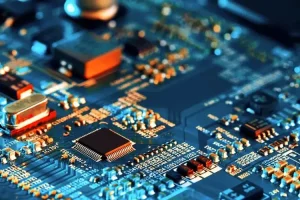
Semiconductors have properties between conductors and insulators. Diodes, integrated circuits (ICs) and transistors are all made of semiconductors. Semiconductors can be pure elements, such as silicon or germanium, or compounds, such as gallium arsenide or cadmium selenide. In a process called doping, small amounts of impurities are added to pure semiconductors, causing large changes in the material’s conductivity.
In our daily life, semiconductors are indispensable. Those TVs, computers, electric fans, refrigerators, radios, mobile phones, ships, physiotherapy equipment, etc. in our lives cannot work. Semiconductors have evolved over fifty years to become smaller, faster, and more trustworthy.
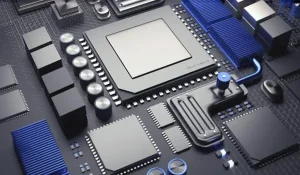
A widely known semiconductor is silicon. Electronic components using semiconductors are called semiconductor devices, including ICs, which are integrated circuits of transistors. Semiconductor devices installed in many electronic devices are important electronic components that support our daily lives.