

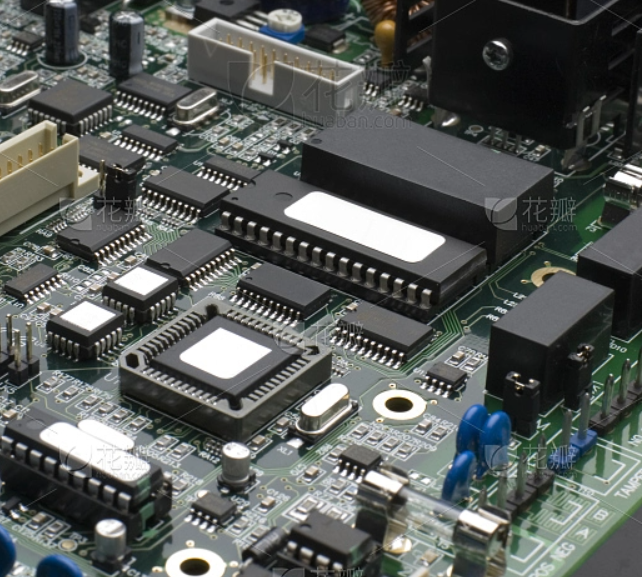
Electronic components are the basis for the development of modern electronic technology, and their performance improvement and continuous innovation provide strong support for the development of modern electronic products. Recently, the emergence of some new materials is bringing new opportunities for the development of electronic components. This article will introduce the impact of new materials on electronic components, as well as the latest developments in related technologies.
1. New materials
Graphene
Graphene is a single-layer two-dimensional material composed of carbon atoms. It has excellent properties such as high strength, high electrical conductivity, and high thermal conductivity. It is one of the important materials for future electronic components. The application prospect of graphene is very broad, and it can be used to prepare high-speed transistors, flexible electronic devices, optoelectronic devices, etc.
two-dimensional material
In addition to graphene, there are many other two-dimensional materials, such as molybdenum disulfide and tungsten disulfide, which also have excellent electrical, optical, magnetic and other properties. The emergence of these materials will bring new opportunities for the development of electronic components.
organic material
Organic materials refer to compounds containing carbon elements, which have good plasticity and processability. Organic materials have been widely used in optoelectronic devices, flexible electronic devices and other fields. The emergence of organic materials will bring more possibilities for the development of electronic components.
2. Related technical progress
Flexible Electronics
Flexible electronics technology refers to the technology of using flexible substrates to prepare electronic devices. This technology can prepare electronic devices with flexibility and bendability, and has broad application prospects. For example, flexible display devices, flexible batteries, etc., are all important applications of flexible electronic technology.
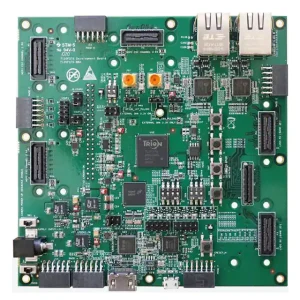
3D printing technology
Three-dimensional printing technology refers to the technology that uses a three-dimensional printer to print out a designed three-dimensional model. This technology can prepare electronic devices with complex shapes, which provides new ideas and methods for the preparation of electronic components.
nanotechnology
Nanotechnology refers to the use of nanoscale materials and device preparation techniques. This technology can produce electronic devices with excellent performance, such as high-speed transistors, high-sensitivity sensors, etc. The development of nanotechnology will provide new opportunities for performance improvement and innovation of electronic components.
With the continuous development of new materials and related technologies, electronic components will usher in new development opportunities. In the future, the development of electronic components will pay more attention to performance improvement and innovation, such as high speed, high frequency, high density, low power consumption, low cost, etc. At the same time, with the continuous expansion of the application of electronic components in various fields, the requirements for their reliability and stability will also become higher and higher. Therefore, the development and application of electronic components in the future will require more interdisciplinary cooperation and innovative thinking.